For centuries, bay leaves have been prized in traditional medicine. Modern research is beginning to confirm what ancient cultures already knew: bay leaves are more than just a flavor booster.
- Anti-Inflammatory Properties
- Bay leaves contain compounds like eugenol that help reduce inflammation.
- Many people use bay leaf tea to ease joint pain and arthritis symptoms.
- Digestive Aid
- The oils in bay leaves stimulate healthy digestion and reduce bloating.
- A warm cup of bay leaf tea after a heavy meal can improve gut comfort.
- Antioxidant Power
- Rich in vitamins A and C, bay leaves help neutralize free radicals.
- Regular use may support immune health and slow cellular aging.
- Blood Sugar & Heart Health
- Some studies suggest bay leaves may help regulate blood sugar levels.
- They also support cardiovascular health by improving circulation.
Beyond the Kitchen: Everyday Uses for Bay Leaves
Bay leaves aren’t just for cooking — their aromatic and medicinal qualities extend into daily life.
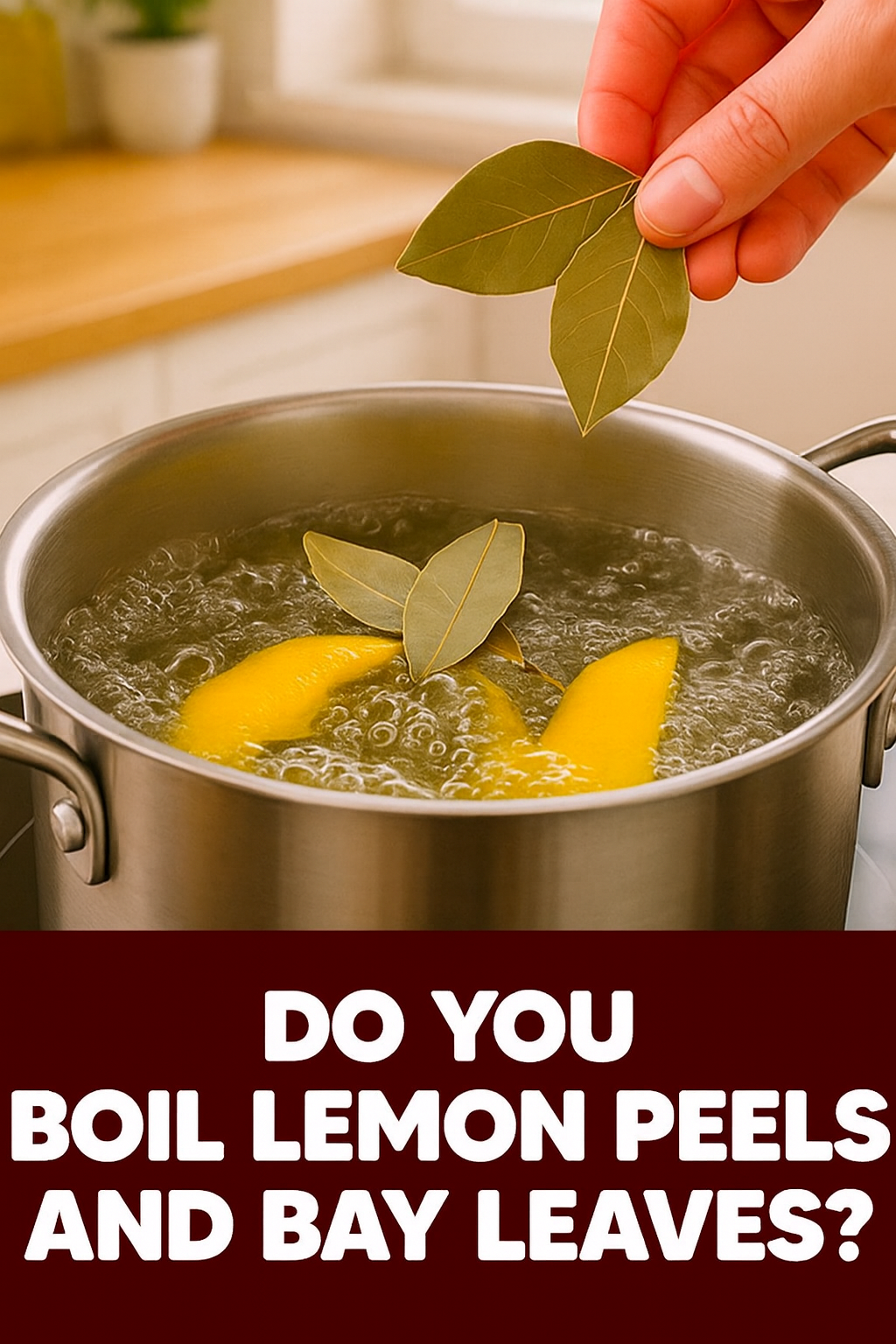
- Natural Air Freshener: Simmer bay leaves in water for a warm, herbal fragrance at home.
- Insect Repellent: Dried leaves tucked into pantry shelves can help keep pests away.
- Stress Relief: Burning a dried bay leaf releases soothing oils that may reduce stress.
How to Choose and Store Bay Leaves
- Fresh vs. Dried: Fresh bay leaves have a milder, almost floral note, while dried leaves pack a stronger punch.
- Storage Tip: Keep dried bay leaves in an airtight jar away from sunlight for up to 12 months.
- Quantity Guide: One or two leaves are usually enough for an entire pot of soup or stew.
A Simple Recipe: Bay Leaf Tea for Wellness
Ingredients:
- 2 dried bay leaves
- 2 cups of water
- 1 teaspoon honey (optional)
Instructions:
- Boil water and add the bay leaves.
- Simmer for 10 minutes, then remove from heat.
- Strain, sweeten with honey if desired, and enjoy.
This soothing tea is perfect for digestion, relaxation, and warming up on a cool evening.
Final Thoughts
Unlocking the hidden powers of bay leaves means looking beyond their subtle role in flavor. They’re a culinary enhancer, a natural remedy, and even a household ally. Next time you’re cooking, don’t just toss in a bay leaf out of habit—do it with intention, knowing that you’re adding both flavor and wellness to your life.